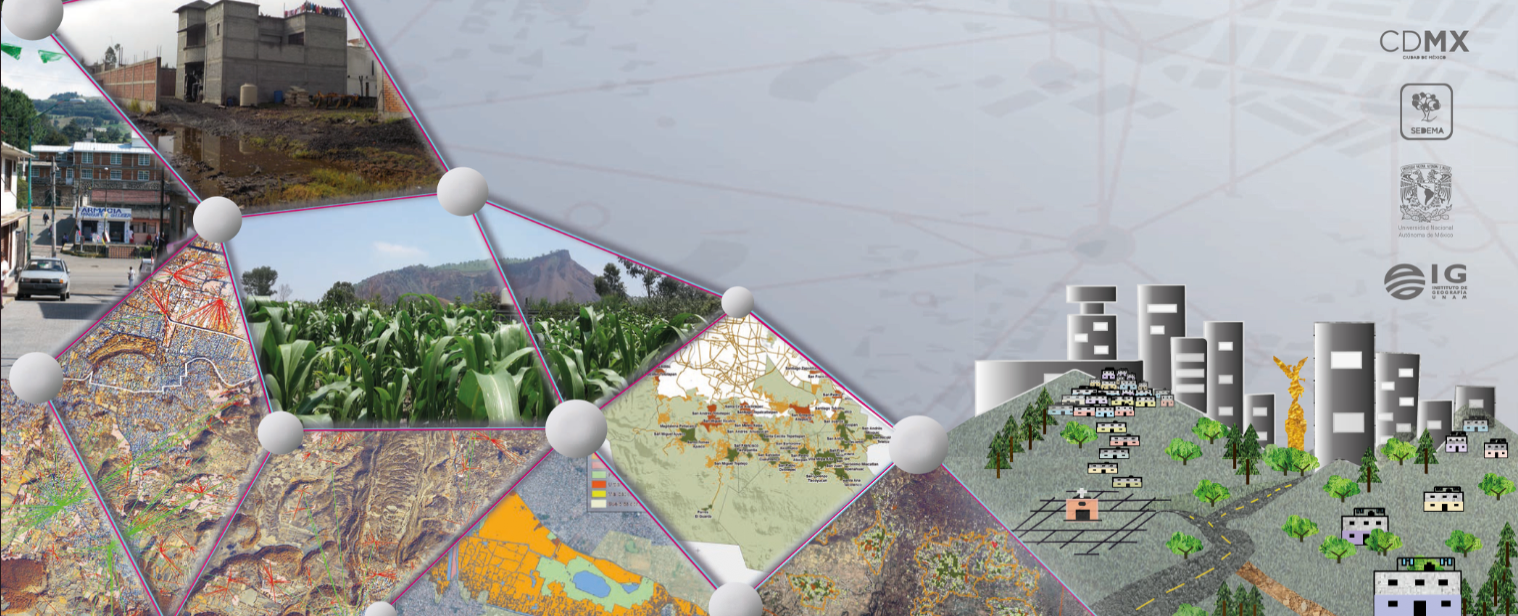
Delineation of Critical Environmental Occupation Areas Based on Socioeconomic Factors
The study examines how informal settlement and housing pressures, particularly among lower-income groups, drive urban expansion into environmentally sensitive and agriculturally valuable rural areas. Rising central property costs accelerate land-use conversion, disrupting agricultural production and transforming rural land into residential and service-oriented uses, with significant environmental and socioeconomic consequences.
The recommendations focus on improving water management and protecting conservation land through wastewater collection, rainwater capture and aquifer recharge, infiltration infrastructure, and leakage reduction. They also promote water conservation across sectors and public awareness to prevent fires and deforestation, thereby preserving ecosystems and strengthening long-term environmental sustainability
The study highlights solid waste dumping and untreated wastewater discharge as major pollution sources affecting protected natural areas, soils, and groundwater. These impacts are particularly associated with irregular human settlements and protected areas with perimeter walls. Stronger monitoring of these settlements and clear assignment of civil responsibility are recommended.
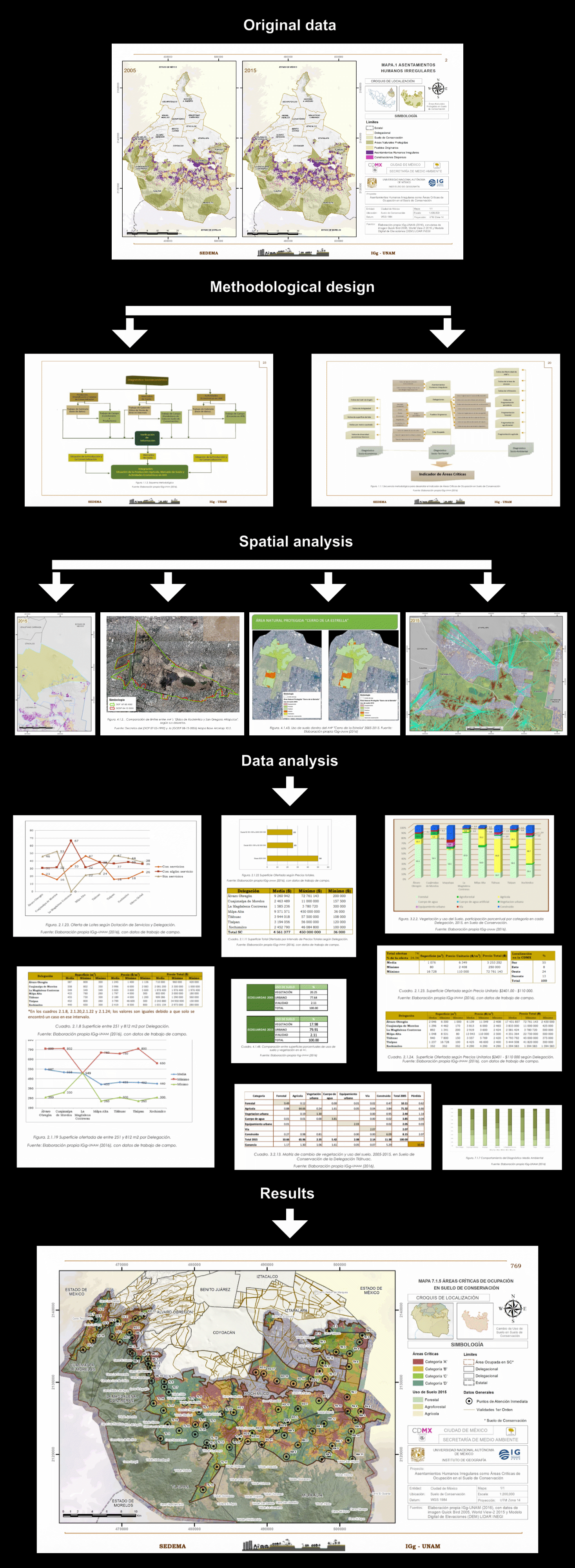
Our methodology merges rigorous analysis with agile implementation, enabling clients to adapt swiftly while maintaining measurable quality standards.